It happens in a split second. You get an email notification, open your Google Business Profile, and your stomach drops. A scathing one-star review is sitting right at the top of your page. But here is the kicker: the reviewer isn’t a customer.
Maybe it’s a disgruntled ex-employee. Maybe it’s a competitor playing dirty. Maybe it’s just a random troll. You do what any rational business owner would do. You flag the review for removal, assuming Google will see the obvious foul play and take it down. A few days later, you get the automated response: We have reviewed your request and found no policy violation. I see this exact scenario play out every single week. My name is Linda Donnelly, and as the owner of Business Solutions Marketing Group, I’ve spent over a decade helping small business owners protect their online reputations and market their brands.
When your business is your livelihood, an unfair negative review feels like a personal attack. And when Google denies your request to remove it, you feel completely helpless! But I am here to tell you that an automated denial is absolutely not the end of the road.
Let’s dive into exactly why these rejections happen and what you can do to escalate your case and get your hard-earned reputation back.
Why You Got the Immediate “No” (The AI Gatekeeper)
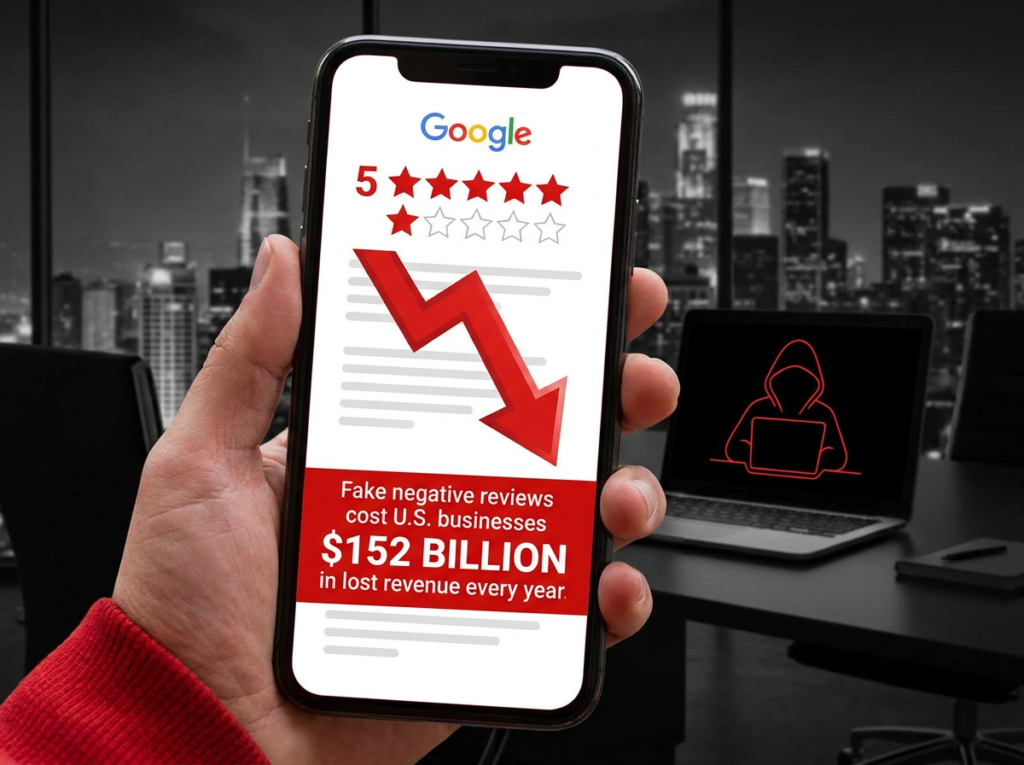
Almost every time you flag a review on Google, a human being does not look at it.
Google processes millions of reviews every single day. To handle this massive volume, they rely heavily on automated machine-learning algorithms to scan for policy violations. These bots are programmed to look for extreme profanity, blatant spam links, or obvious hate speech. If the fake review on your profile doesn’t hit those specific algorithmic triggers, the bot simply moves on and issues a denial.
It is incredibly frustrating. The algorithm cannot look at your customer database and realize “John Doe” never bought a product from you. It cannot understand the nuance of a competitor leaving a vaguely negative comment.
According to a recent local consumer review survey by BrightLocal, 76% of consumers regularly read online reviews when browsing for local businesses. You cannot afford to let an automated bot dictate your first impression.
Google Review Removal Denied What To Do Next
If you are searching for Google review removal denied what to do, take a deep breath. You are now entering the escalation phase.
When the automated system fails, your goal is to force a real, living human at Google to look at your evidence. This requires moving away from the basic “flagging” feature and utilizing Google’s Review Appeal tool or contacting Google Business Profile Support directly.
Here is exactly how you escalate an automated denial:
- Wait for the Official Denial: You must let the initial flagged review run its course. Once the status in your Google Business Profile dashboard changes to “No policy violation found,” the appeal option opens up.
- Access the Reviews Management Tool: Google has a specific portal for managing review takedowns. Log into your account and search for the “Manage your reviews” tool in Google Help.
- Select the Denied Review and Appeal: Select the specific review that was rejected. You will now have the option to submit a one-time appeal.
This appeal is where the magic happens. However, you cannot just click a button and hope for the best. You need to prove your case.
Documenting the Abuse: The Difference Between DIY and Professional Takedowns
This is where most small business owners drop the ball. When escalating to a human reviewer, you have a very limited text box to state your case. You need to read Google’s Prohibited and Restricted Content Policies and explicitly state which rule the review breaks.
Are they violating the “Conflict of Interest” policy because they are a competitor? Are they violating the “Spam and Fake Content” policy?
What a basic (usually unsuccessful) DIY submission looks like: “This person is lying. They never came to my store. Please remove this it is hurting my business.”
What a professional submission looks like: “This review violates Google’s ‘Conflict of Interest’ and ‘Fake Engagement’ policies. The reviewer, [Name], is the registered owner of [Competitor Business Name] located three miles away. Attached is a screenshot of their LinkedIn profile confirming their ownership, alongside a screenshot of this review. Furthermore, a search of our CRM system confirms no individual by this name has ever transacted with our business. Please remove this targeted attack.”
See the difference? Human reviewers at Google are evaluated on how fast they close tickets. If you hand them undeniable proof tied directly to a specific policy violation, you make it easy for them to click “Approve.”
Research from ReviewTrackers shows that 94% of consumers say an online review has convinced them to avoid a business. The stakes are simply too high to leave this to a half-hearted appeal. If you have already tried the standard appeal and keep hitting a brick wall, you don’t have to fight this alone. My team handles these exact escalations every day. You can learn more about how we legally and permanently eradicate these unfair attacks through our specialized Review Removal Service.
Protect Your Peace of Mind
Getting an automated denial from Google is a rite of passage for almost every successful business owner. The more visible you become, the more likely you are to attract unfair criticism or malicious attacks.
Remember that the initial “No” is just a computer algorithm failing to understand human context. By keeping your cool, gathering concrete evidence, and escalating your case to a human support agent, you can reclaim your five-star reputation.
Key Takeaways
- Automated Denials are Normal: Your initial flag was likely rejected by a bot, not a human. Do not panic.
- Use the Appeals Tool: Once denied, use Google’s Review Management Tool to launch an official appeal to a human moderator.
- Cite the Exact Policy: Don’t just say the review is fake. Explicitly state which Google policy is being violated (e.g., Conflict of Interest, Harassment, Fake Engagement).
- Provide Concrete Proof: Bring receipts. Use screenshots, CRM data, and employee records to prove your case succinctly.
- Professional Help is Available: If you exhaust your appeals, professional marketing groups have specialized escalation paths to get defamatory content removed.
10 Frequently Asked Questions About Google Review Denials
1. How long does Google take to review a flagged comment? Typically, the automated system takes anywhere from 3 to 7 days to process a flagged review. You will usually receive an email update once a decision is made.
2. Can I flag a review multiple times? No. Once a review is flagged and denied by the algorithm, flagging it again from the same account will not trigger a new review. You must use the appeals process.
3. Will Google notify the person who left the review that I flagged it? No! The review flagging and removal process is completely anonymous. The reviewer will not be notified that you are actively trying to take their comment down.
4. What happens if my human appeal is also denied? If your formal appeal is rejected, your options become more limited. You can try reaching out to Google Business Profile Support via their official Twitter (X) handle or the Google Support Community forums to get a Product Expert to escalate the thread. Alternatively, this is when you hire a professional removal service.
5. Can I just delete my Google Business Profile and start over? I highly advise against this! Deleting your profile destroys all your local SEO rankings, wipes out your positive reviews, and Google will likely just recreate the profile based on public data anyway—meaning the bad review will eventually come back.
6. Is it illegal for a competitor to leave a fake review? Yes. It violates FTC guidelines regarding deceptive advertising and violates Google’s Conflict of Interest policy. If you can prove they are a competitor, Google will remove it.
7. Should I reply to a fake review before trying to remove it? Yes, but be careful. Leave a brief, professional reply stating that you have no record of them doing business with you and ask them to contact your office. This shows future customers you are attentive, while you work behind the scenes to get the review deleted.
8. Will Google remove a review just because it’s one star with no text? Unfortunately, no. Google allows users to leave star-only ratings without text. These are incredibly difficult to remove unless you have proof of a coordinated spam attack.
9. Can I sue someone for leaving a fake review? If you know the actual identity of the reviewer and the review contains provably false, defamatory statements that caused financial damage, you can pursue legal action. However, this is expensive and should be a last resort.
10. Do I have to pay Google to remove a review? Never. Google does not charge for review removal. Any company claiming they have a “paid backdoor” to Google is scamming you. Legitimate marketing firms charge for the time, labor, and legal legwork required to build a winning appeal case.